Questions
How do I get in front of investors at an energy event?
Most investors at an energy conference are not walking the floor looking for projects — they arrive with a schedule already full. Getting in front of them means being on that schedule before the event starts, which is why the projects that raise capital at conferences are almost always the ones that were visible beforehand.
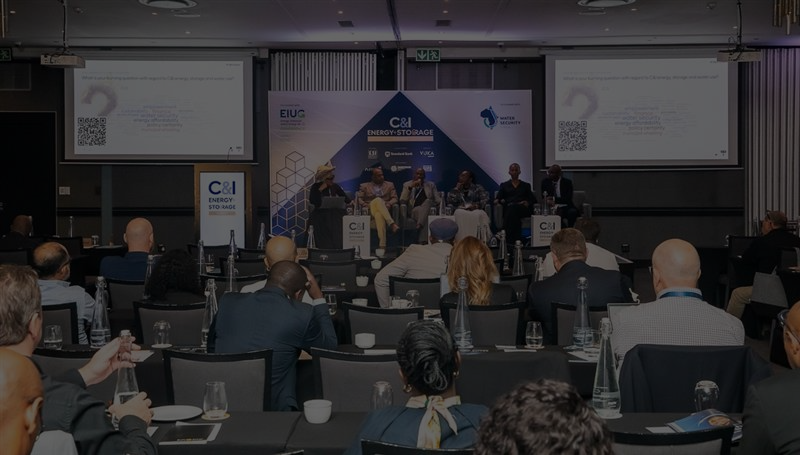
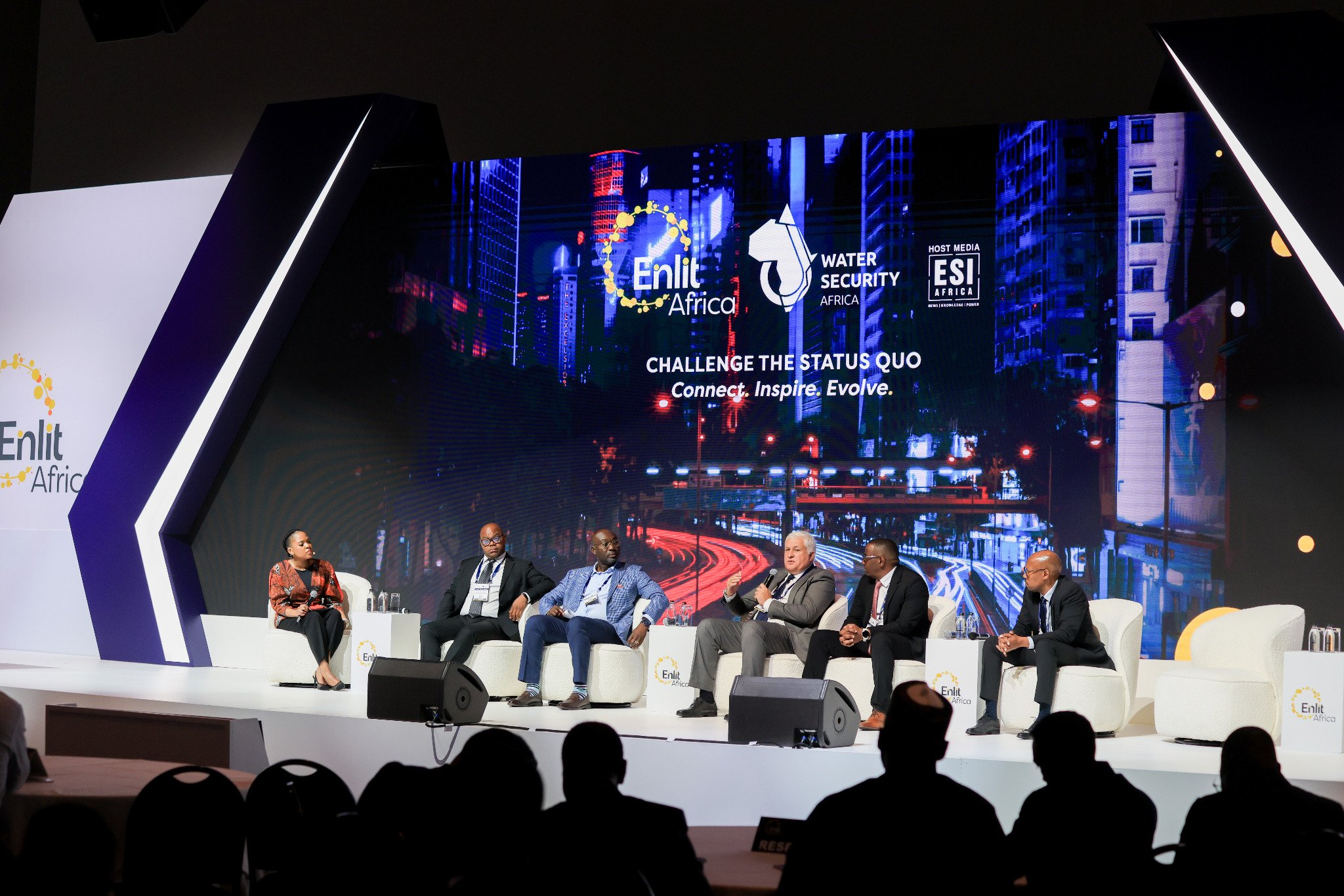
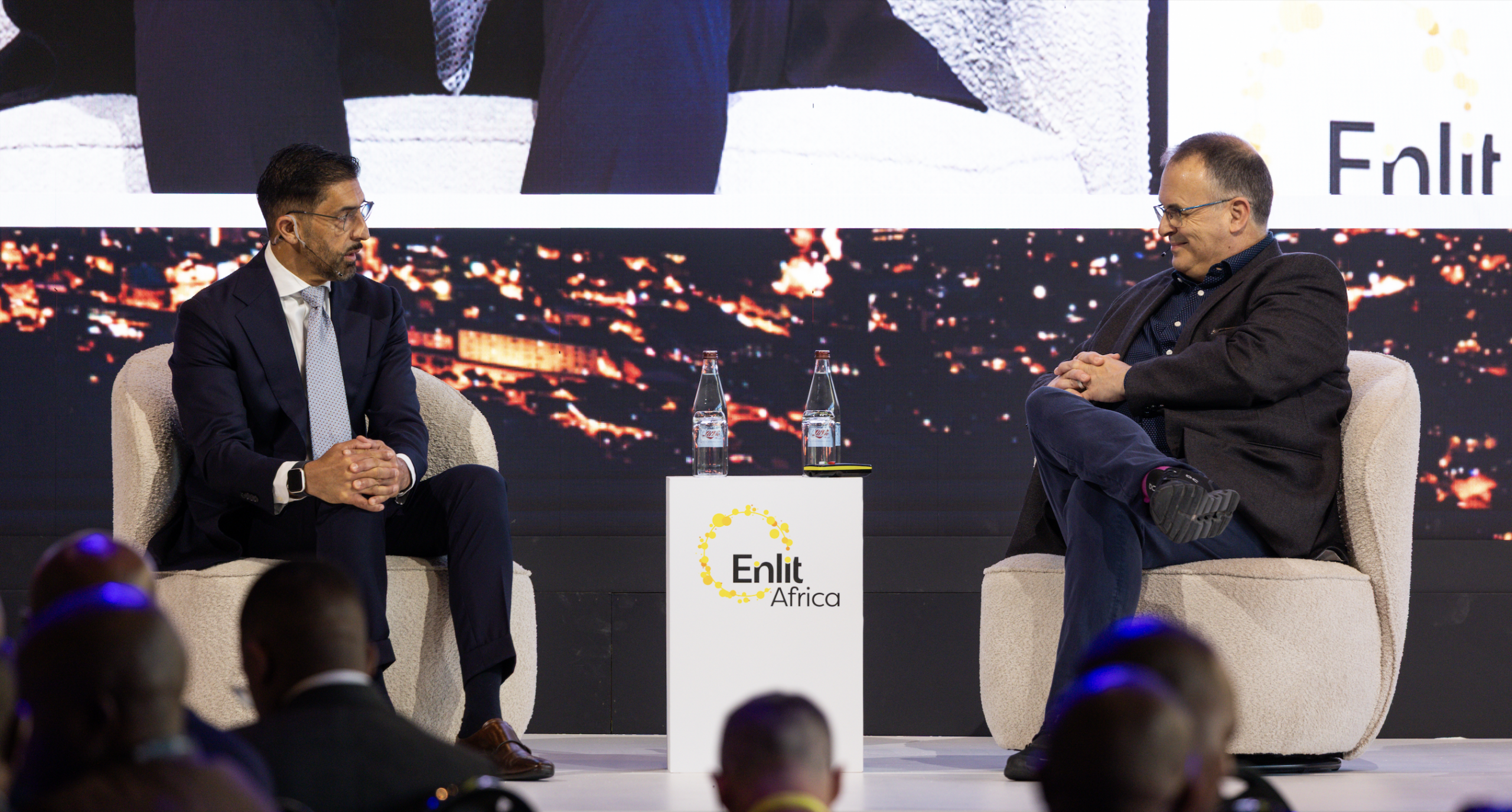
On the Project & Investment Network, listed projects are considered for two live formats: the Pitch Stage at Enlit Africa, where selected early-stage projects present to a live investor audience, and curated project briefings — closed-door sessions matching a project owner with financiers whose mandate fits. Both are by application, and listing is the route in. A profile that clearly states location, stage, funding gap and investment type gives you the best chance of selection.
How do I find investors for an energy project in Africa?
There are four routes that work on the continent: development finance institutions, which fund at scale but need bankable documentation and move slowly; commercial banks and local lenders, which want a creditworthy offtaker above all else; private equity and infrastructure funds, which look for a defined exit; and strategic or corporate investors, often the offtaker themselves. Which of these fits depends far more on your stage and ticket size than on your technology.
Cold outreach rarely works, because investors see more projects than they can assess. What moves things is being visible where they are already looking, with enough structured information for them to judge fit before a first call — location, sector, stage, capital invested and funding gap, in a form they can filter.
What makes an African energy project bankable?
Bankability is mostly about certainty of revenue. Lenders want a signed or credible offtake agreement with a counterparty who can pay, a route through licensing and permitting, secured land or site rights, and a financial model that survives currency and tariff stress. Technology risk matters far less than most developers expect.
The most common gap is not a weak project but an incomplete one — a strong technical case with no offtaker, or an offtaker with no credit assessment. Projects at earlier stages are still worth putting in front of capital, provided the stage is stated honestly, so investors can self-select rather than discovering the gap three meetings in.
Who funds energy infrastructure projects in Africa?
Development finance institutions and multilateral lenders remain the largest source for utility-scale generation and transmission. Commercial banks are active where an offtaker's credit is solid, particularly in South Africa. Independent power producers and infrastructure funds take equity positions in projects with a clear route to operation, and blended finance structures are increasingly used to bridge early-stage risk that commercial lenders will not carry alone.
For commercial and industrial projects the picture is different — energy-as-a-service providers, aggregators and structured finance teams are more relevant than any DFI, and the deciding factor is usually the offtaker's balance sheet rather than the project's size.
Where can I find African energy projects seeking investment?
The Project & Investment Network directory lists live projects from across the continent, filterable by country, development stage and ticket size. Each listing carries the project's location, sector, capital invested to date, funding gap and investment type, with a deck where the owner has provided one.
Projects span generation, storage, grid and distribution infrastructure, commercial and industrial self-generation, mini-grids, metering, energy efficiency and water infrastructure — from early-stage startups to national-scale schemes.
What stage does a project need to be at to attract investment?
Energy and water infrastructure projects at any stage can apply to the network. Investors engage earlier than most developers assume, provided the stage is stated clearly. Scoping and pre-feasibility projects attract strategic partners, grant funding and early equity. Bankable feasibility and pre-implementation stages are where DFIs and commercial lenders engage. Operational assets seeking expansion capital are a different conversation again, usually with infrastructure funds.
The mistake that costs time is overstating readiness. An investor who discovers a project is two years from financial close, after committing to a process, will not come back to it later.
What do investors need to see before they'll consider a project?
Before a first meeting, most want the same short list: what is being built and where, who the offtaker is and whether they can pay, what stage the project has reached, how much capital has gone in already, how much is being sought and in what form, and who is behind it. That is enough to judge fit.
Everything else — the full model, the technical studies, the permitting file — comes later, and only if the first list holds up. Leading with a hundred-page feasibility study rather than those six answers is the most common reason a promising project gets no reply.
Listing your project
What does it cost to list a project?
Nothing. Listing is free for project owners, at any stage of development.
What information do I need to submit?
Location, sector, development stage, capital invested to date, funding gap, investment type and a short project description. A deck is recommended.
How long does it take to get listed?
Every submission is reviewed by our energy team. You'll receive confirmation once your project is live on the directory.
How do investors get in touch?
Through the concierge service. Contact details are not published — enquiries are routed and qualified before they reach you.