
Many South African e-commerce brands still rely on batch email campaigns sent to their entire database. While that approach may have worked in the past, growing inbox competition and rising customer expectations have made it far less effective.
Today, the brands seeing the strongest returns are moving toward behaviour-driven automation that responds to what customers actually do.
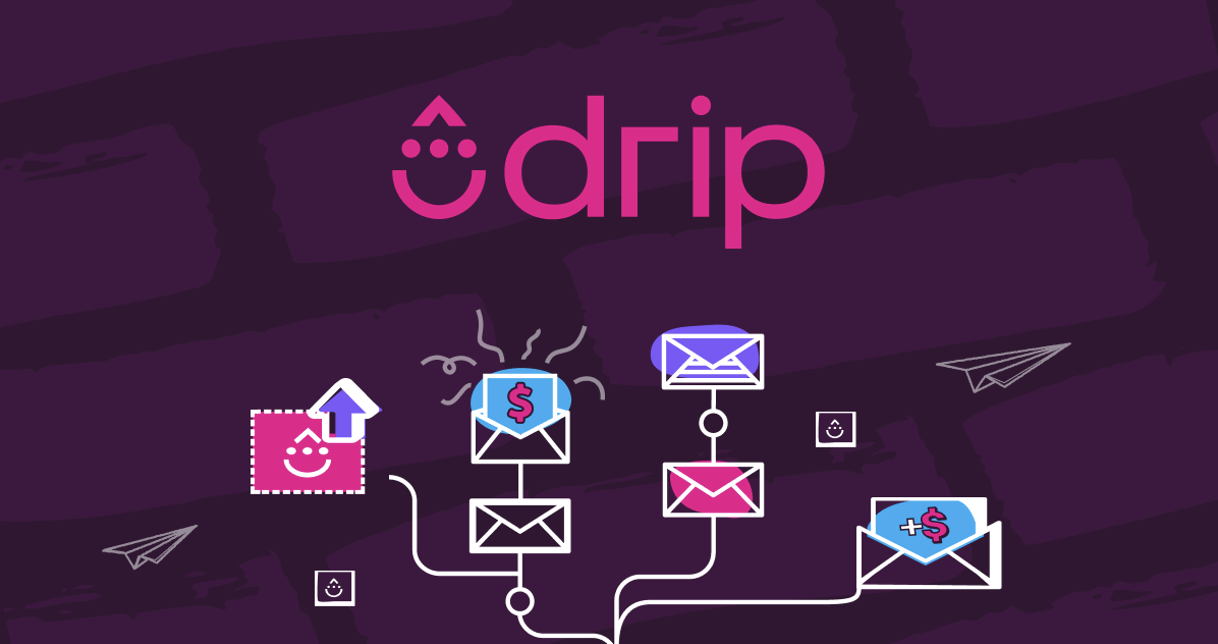
Rather than sending emails according to a campaign calendar, modern e-commerce teams are building automated flows triggered by customer behaviour.
These include:
This approach allows brands to communicate with customers at the moment intent is highest.
A strong example of this shift can be seen in Cape Town-based online retailer Nifty Gifts.
Instead of relying mainly on promotional campaigns, the team introduced behaviour-driven automation designed to respond to real customer actions. By segmenting customers based on browsing and purchasing patterns, they were able to trigger more relevant communication throughout the customer lifecycle.
The result was a measurable improvement in both engagement and email-driven revenue.
See the full case study here: https://www.drip.com/customers/niftygifts
The Nifty Gifts example highlights three broader lessons for e-commerce teams:
Customer intent signals — such as browsing activity, cart behaviour, and product views — are often more valuable than static segmentation.
Lifecycle flows allow brands to deliver more relevant communication without adding operational complexity.
An increasing share of revenue comes from triggered flows rather than scheduled campaigns.
As competition for attention continues to grow, brands that rely only on traditional campaign strategies will find it harder to maintain engagement.
The next phase of email marketing will be shaped by behavioural automation, lifecycle communication, and customer-centric personalisation.
For e-commerce teams, the opportunity is not to send more emails, but to send the right message at the right moment.
Converge Africa is a part of a series of retail events unlike any other. It's the new unifying brand for the digital commerce value chain. Formerly ECOM Africa.
Converge Africa Conference & Expo
For enquiries contact:
T: +27 21 700 3500
T: +27 21 700 3579


.webp)

.webp)
.webp)
.webp)
