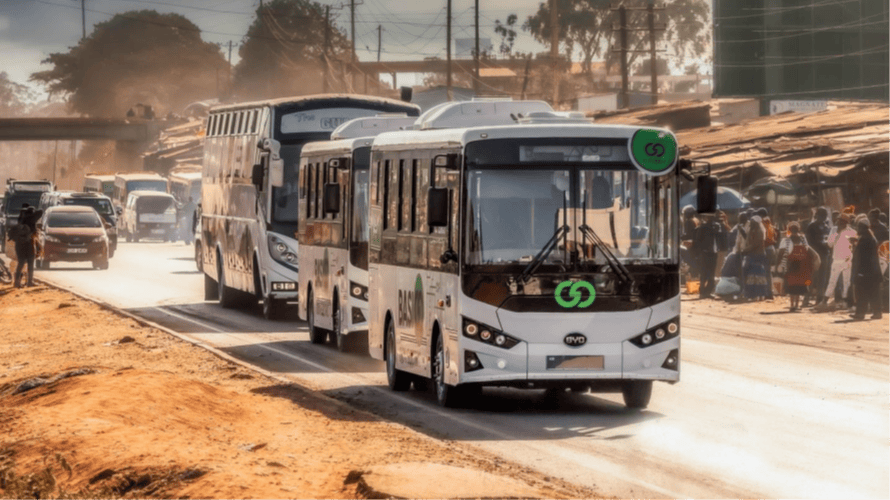
In the quest for sustainable urban mobility, authorities and industry leaders must assess the economic sustainability of green fleets against standard fleets. As cities strive to cut carbon emissions and improve air quality, the shift to greener alternatives like electric and hybrid vehicles is becoming more important.
Initial Costs vs. Long-Term Savings
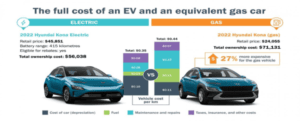
One of the biggest challenges to implementing green fleets is the higher initial cost. Electric cars (EVs) and hybrids are often more expensive than their diesel or gasoline counterparts. However, the initial cost might be mitigated by significant long-term savings. Green fleets benefit from lower fuel costs, lower maintenance costs, and potential government incentives, such as tax breaks and grants, to encourage sustainable mobility.
Operational Efficiency and Cost Savings
Green fleets are more energy efficient, which leads to significant operational cost savings. EVs, for example, use roughly 60% of the electrical energy from the grid to power their wheels, compared to about 20% for classic internal combustion engine vehicles. This efficiency translates into decreased fuel use and expense per mile. Furthermore, with fewer moving components, electric vehicles require less maintenance, resulting in less downtime and lower maintenance expenses.
Environmental and Social Benefits
Aside from immediate economic benefits, green fleets have larger environmental and social benefits that can be translated into economic gains. Reduced emissions improve public health and have the potential to cut healthcare expenditures. Companies that use green fleets can also improve their brand image, satisfying rising customer demand for corporate social responsibility and sustainability.

Challenges and Considerations
Despite the advantages, switching to green fleets necessitates careful planning and investment in infrastructure, including as charging stations. Policymakers and industry leaders must work together to create new financing structures and supportive regulations that will make the transition to green fleets economically viable.

Conclusion
The economic feasibility of green fleets vs standard fleets depends on a balance of early investment and long-term savings. While the initial costs are greater, the operating efficiency, maintenance savings, and environmental advantages make a strong case for transitioning to greener, more sustainable urban transportation options.

 Contact Us
VUKA is the trusted media partner to key professionals, policy makers, suppliers and
manufacturers. We provide unparalleled opportunities for industry-wide connection.