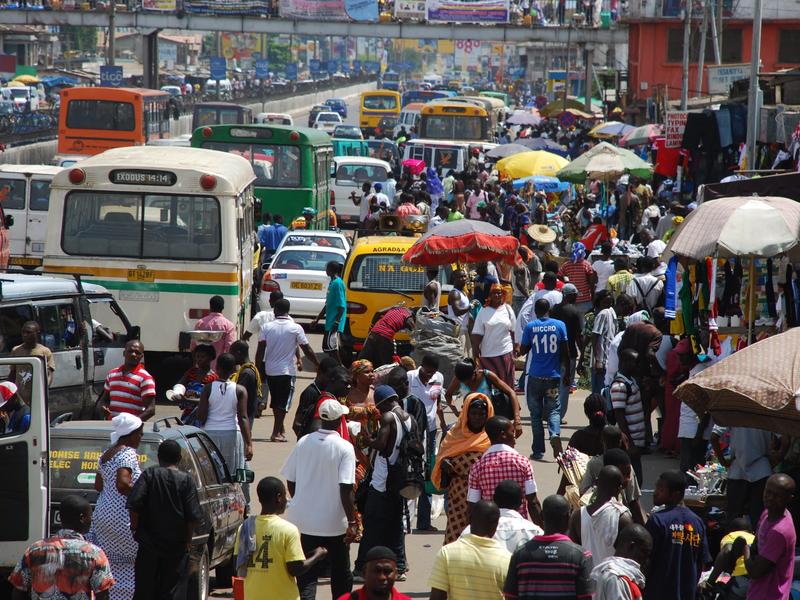
Africa stands at a pivotal moment in its climate journey. With the continent rapidly urbanising
and transportation demands soaring, the decisions made today about public transport systems
will determine whether Africa becomes a climate leader or remains trapped in high-emission
mobility patterns. The transition from COP28 to COP29 has highlighted the urgent need for
African nations to align their transport reforms with their Nationally Determined Contributions
(NDCs) under the Paris Agreement.
The Climate Imperative for Green Transport
Transportation is a critical sector for achieving climate goals. According to the World Resources
Institute, buses and trains can reduce greenhouse gas emissions by up to two-thirds per
passenger per kilometre compared to private vehicles. The UN’s latest climate action report
identifies shifting more trips to public transit as “essential” to curbing climate change. For
African cities experiencing rapid population growth, this presents both a challenge and an
unprecedented opportunity.
Africa’s NDC Commitments and Transport
All African countries have signed the Paris Agreement, with 53 of the 54 African nations having
submitted their first round of NDCs. As countries work toward their updated 2035 targets,
transport reform has emerged as a key lever for meeting climate commitments. The Africa NDC
Hub emphasises that achieving 1.5°C-aligned NDCs requires comprehensive action across all
sectors, including transport.
The recent COP29 outcomes have particular significance for Africa. The conference tripled
climate finance commitments to USD 1.3 trillion by 2035, providing crucial resources for
sustainable transport infrastructure. This financial boost comes at a time when African cities
are already demonstrating leadership in green transport solutions.
Success Stories Across the Continent
African cities are increasingly turning to Bus Rapid Transit (BRT) systems as a cornerstone of
sustainable urban mobility. Dar es Salaam’s DART BRT system, the first in Eastern Africa, covers
20.9 kilometres in its initial phase and will eventually serve 90% of the population across 130
kilometres. Similarly, Dakar is constructing a BRT system with electric vehicles, while
incorporating solar energy autonomy to create a truly sustainable transport network.
These projects demonstrate that African cities are not just adopting international best practices
but are innovating solutions tailored to local contexts. The integration of renewable energy,
multi-modal connectivity, and accessibility features positions these systems as models for
climate-conscious urban development.
The Path Forward
For Africa to maximise transport’s contribution to climate action, countries must ensure their
transport strategies directly support their NDC commitments. This requires robust institutional
capacity, sustained political will, and continued access to climate finance. The momentum
from COP29’s enhanced financial commitments, combined with Africa’s growing expertise in
sustainable transport, creates an opportunity for the continent to lead by example in climatealigned urban mobility.
Africa’s transport transformation is not just about meeting climate targets—it’s about creating
liveable, just, and prosperous cities for millions of people. By aligning transport reform with
climate goals, African nations can accelerate their climate action while building the
infrastructure foundation for sustainable development
Reference List
https://www.wri.org/insights/current-state-of-public-transport-climate-goals
https://africandchub.org/
https://afripoli.org/a-continent-in-focus-cop29-outcomes-and-implications-for-africa
https://www.worldbank.org/en/news/feature/2022/11/28/with-bus-rapid-transit-african-cities-are-riding-toward-a-better-future
https://www.c40.org/case-studies/cities100-dar-es-salaam-first-bus-rapid-transit-system-in-eastern-africa/
https://changing-transport.org/practical-solutions-for-sustainable-transport-in-africa/
https://www.unep.org/news-and-stories/story/african-cities-turn-green-buses-fight-against-pollution

 Contact Us
VUKA is the trusted media partner to key professionals, policy makers, suppliers and
manufacturers. We provide unparalleled opportunities for industry-wide connection.