Maputo GADU: “Urban transformations open up a wide range of opportunities for the private sector in Mozambique”
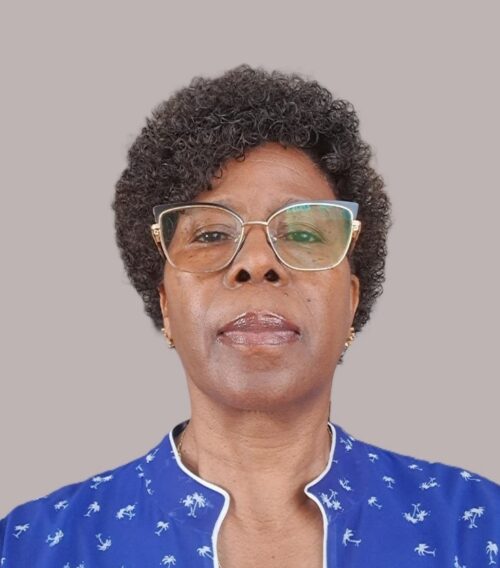
Exclusive interview with Teresa Chissequere, Director of the Urban Development Office (GADU), Maputo Municipal Council.
Interview Summary:
Teresa Chissequere, Director of Maputo’s Urban Development Office, outlines the municipality’s strategy for managing rapid urbanisation and improving quality of life. With more than 30 years’ experience in planning and project management, she oversees initiatives including land-use planning, informal settlement upgrading, flood-prone area rehabilitation, housing promotion, urban mobility improvements, and World Bank-supported urban transformation projects. Key priorities include revitalising downtown Maputo, supporting sustainable growth in KaTembe, expanding infrastructure, and strengthening institutional capacity.
Mrs Chissequere identifies major African urban challenges as informal settlements, infrastructure deficits, mobility constraints, and climate vulnerability. She argues these challenges also create opportunities through new urban centres, international investment, and resilient development. For Mozambique’s private sector, promising areas include planning consultancy, housing, transport, digital municipal services, and ecotourism and fostering local innovation.
Thank you for joining us. Could you start with some information about yourself and your organisation?
My name is Teresa Chissequere, I hold a master’s degree in Informal Settlements Planning and Management from Eduardo Mondlane University. I graduated with a bachelor’s degree in Civil and Transport Engineering from the Instituto Superior de Transportes e de Comunicações in Maputo. I also specialised in Technical Management of Urban Environments at the University of Technology of Compiègne (France).
Currently, I am a civil servant for the Municipality of Maputo (Urban Development Office). In addition, since 2011, I have been a lecturer for the Regional and Interurban Technical Facilities 1 course within the Architecture and Urbanism programme at ISCTEM. I am also a member of the Municipal Toponymy Commission and the Technical-Scientific Council at the National Institute of Geographic Names.
I have over 30 years of professional experience, with a special focus on the development and implementation of spatial planning instruments and the management of projects funded by international partners. Currently, my responsibilities include the technical coordination of these initiatives as well as the development and monitoring of various strategic structural projects for the municipality and other activities related to urban development.
The Municipality of Maputo is a local authority responsible for managing the City of Maputo, the capital of Mozambique and the largest urban agglomeration in the country. It is part of the Greater Maputo Metropolitan Area, possessing administrative and financial autonomy, and is led by an elected Mayor and his Council, supported by a Municipal Assembly.
Its territory spans approximately three hundred and forty kilometre square (340 km²) and consists of seven municipal districts, namely: KaMpfumu, Nlhamankulu, KaMaxakeni, KaMavota, KaMubukwana, KaTembe and KaNyaka. It has a population of around 1.1 million inhabitants.
As a coastal urban area, it features the largest port in the country and a historical down town that constitutes the city’s Central Business District (CBD). It possesses diverse tourism potential and other investment opportunities.
Tell us more about the projects you are involved in regarding the urban development of the city of Maputo.
The Municipality of Maputo is executing several urban development projects in different action areas, aimed at improving the lives of citizens, as a result of implementing the main priorities of the Municipal Development Plan (PDM-2024-2028).
1. Implementation of Land Use Planning Instruments
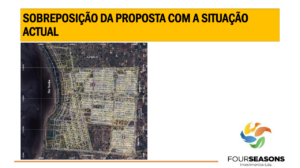
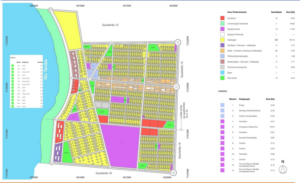
Preparation and implementation of detailed plans, urban layouts and subdivision operations, including land regularisation and the allocation of DUATs (Right of Land Use and Benefit).
2. Structuring Urban Development Projects in Specific Areas
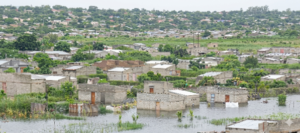
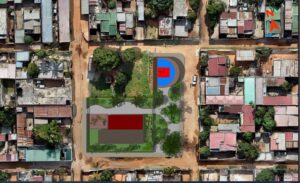
Requalification of flood-prone, vacant lands allocated to the ecological structure areas (Requalification of areas in Mogoanine, Hulene, Zimpeto and Sente – Nhama Lagoon).
3. Projects with Cooperation Partners
Resiliencity Project with the Municipality of Milan.
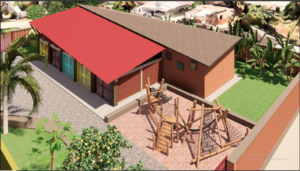
Habitat Project with Architecture Sans Frontières – Spain.

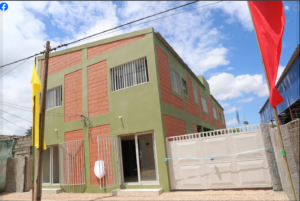
4. Promotion of Housing and Investment Opportunities in the Municipality of Maputo
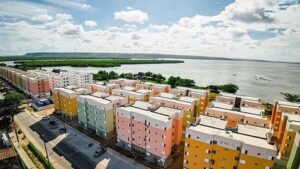
Maputo (Youth Housing, Modular Housing).
Operationalisation of the Mahlazine Ecological Park and the Inhagoia A Zoological Garden.
5. PTUM – Maputo Urban Transformation Project
The objective of the project is to improve urban infrastructure and strengthen institutional capacity for sustainable urban development in the City of Maputo. The project relies on financing from the World Bank/IDA. The project includes, among other aspects, five components, highlighted by the following:
- Informal Settlement Upgrading: Implementation of the Integrated Informal Settlement Upgrading Program in 20 of the most vulnerable neighbourhoods in the City of Maputo, selected through socio-spatial criteria.
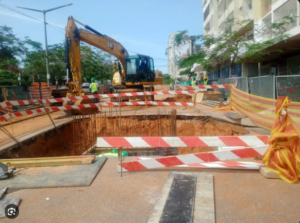
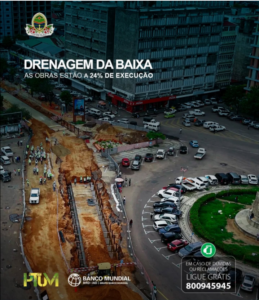
- Downtown (Baixa) Revitalisation: Includes major interventions in the macro-drainage system along the main arteries of the city and the low-lying zone to mitigate constant flooding and improve urban mobility.
- Sustainable Growth in KaTembe: Strategic planning for the orderly expansion of Maputo’s southern zone, projected to absorb the largest future urban growth and host the Sanitary Landfill.
- Design and implementation of integrated infrastructure in informal settlements (water supply, sewage, electricity, and public spaces).
- The Diagnosis and update of the Urban Structure Plan of the Municipality of Maputo.
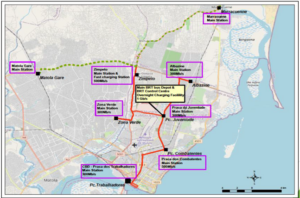
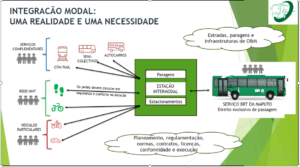
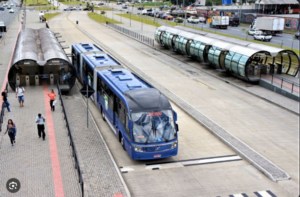
6. Urban Mobility Project in the Maputo Metropolitan Area (MOVE/BRT)
This is a strategic initiative implemented by the Metropolitan Transport Agency (AMT), encompassing the municipalities of Maputo, Matola, Matola-Rio, Boane, and Marracuene. It aims to transform and modernise the passenger transport system in Greater Maputo by introducing the Bus Rapid Transit (BRT) system.
In your opinion, what are the main challenges the continent faces regarding the urban development of cities? And what are the opportunities?
According to studies by agencies such as UN-Habitat and the World Bank, Africa continues to be the continent with the fastest urbanisation rate in the world, which imposes relevant challenges:
- Proliferation of Informal Settlements: The majority of the urban population in Sub-Saharan Africa resides in informal areas, which hinders territorial planning and the availability of urbanised land for different activities and uses.
- Deficient Infrastructure: Urban population growth outpaces local capacity to provide basic public services, such as adequate water supply, basic sanitation, electricity, and road networks.
- Limited Urban Mobility: The growth of the vehicle fleet in cities, without structured public transport networks, creates constant congestion, which is worsened by the absence of active mobility solutions as an alternative.
- Vulnerability to Climate Change: Densely populated coastal cities like Maputo suffer from recurrent floods, erosion, and severe weather storms.
The opportunities
Looking at Mozambican cities as a reference, amid the various challenges and needs, there are immense opportunities that can be embraced:
- Expansion and New Centralities: Most cities have everything concentrated in central areas, making it necessary to promote urban development in peripheral and expansion areas through new centralities, including public infrastructure, housing complexes, commerce, and services (the connection created by the Maputo-KaTembe Bridge positions KaTembe as the city’s main expansion hub).
- Attraction of Partnerships and International Investment: Due to their characteristics and urban limitations, African cities present themselves as highly favourable locations for attracting international investment for urban development projects in diverse areas such as housing, infrastructure, renewable energy, ecological areas, and others.
- Urban Resilience: Beyond coastal cities, climate change has had a specific impact on various other urban areas in Africa, so this challenge constitutes an opportunity to rethink space and the type of infrastructure. This can be implemented by capturing climate funds and other related financing.
What are the opportunities for the private sector, particularly in Mozambique?
Urban transformations open up a wide range of opportunities for the private sector in Mozambique, especially in key areas that directly impact city dynamics. The main areas for investment and public-private partnerships (PPPs) include:
- Development of Spatial Planning Studies and Instruments
The challenges arising from the growth of Mozambican cities require the preparation of sector-specific, strategic, and regional studies, projects, and plans. Through efficient consulting services, the private sector positions itself as the primary public partner for delivering these initiatives.
- Urbanisation and Housing Development Projects
Driven by the growing demand for residential land and homeownership in Mozambique, the private sector serves as a key alternative to bridge this gap. This is achieved by designing and implementing multifunctional housing projects in new expansion zones and urban regeneration areas, utilising modern, affordable construction models.
- Urban Mobility and Transportation
With urban mobility still in its developmental stages, the transport sector offers private operators opportunities to invest in more sustainable fleets, integrated intermodal systems, and electronic ticketing. The focus is on implementing more efficient mass transit solutions and exploring alternative routes.
- Information Technology Implementation
The modernisation of municipal public services requires transitioning from analogue (paper-based) to digital systems. This opens doors for IT companies to develop virtual registry platforms and data integration systems aimed at improving citizen support, digital licensing, tax collection, and territorial monitoring.
- Ecotourism and the Blue Economy
Mozambique’s strategic coastal location and rich biodiversity present excellent opportunities for private investment in ecotourism. This includes low-impact resorts, hotels, marinas, and maritime leisure infrastructure that respect local biodiversity. Leveraging both coastal and terrestrial biodiversity generates benefits for local communities and the environment, contributing directly to the Sustainable Development Goals (SDGs) and climate resilience.
The United Nations celebrates Urban October with World Cities Day and World Habitat Day, under the central theme of “Adequate Housing for All.” What is your vision for the future of urban Africa?
African cities already possess many innovative and local solutions; what is required now is the alignment of investments and the leverage of local knowledge to address urban challenges:
- Decentralisation to local levels
- Enhanced local technical capacity to manage urban challenges
- Mitigation of informal and spontaneous urban expansion
- Greater rigor in the implementation of urban planning instruments
- Better structured urban development projects
- Investment in basic and resilient infrastructure prior to land occupation
- Governance driven by data, information, and knowledge
- Local culture and values as sources of urban solutions.


.webp)

.webp)
.webp)
.webp)
