
Image: Freepik
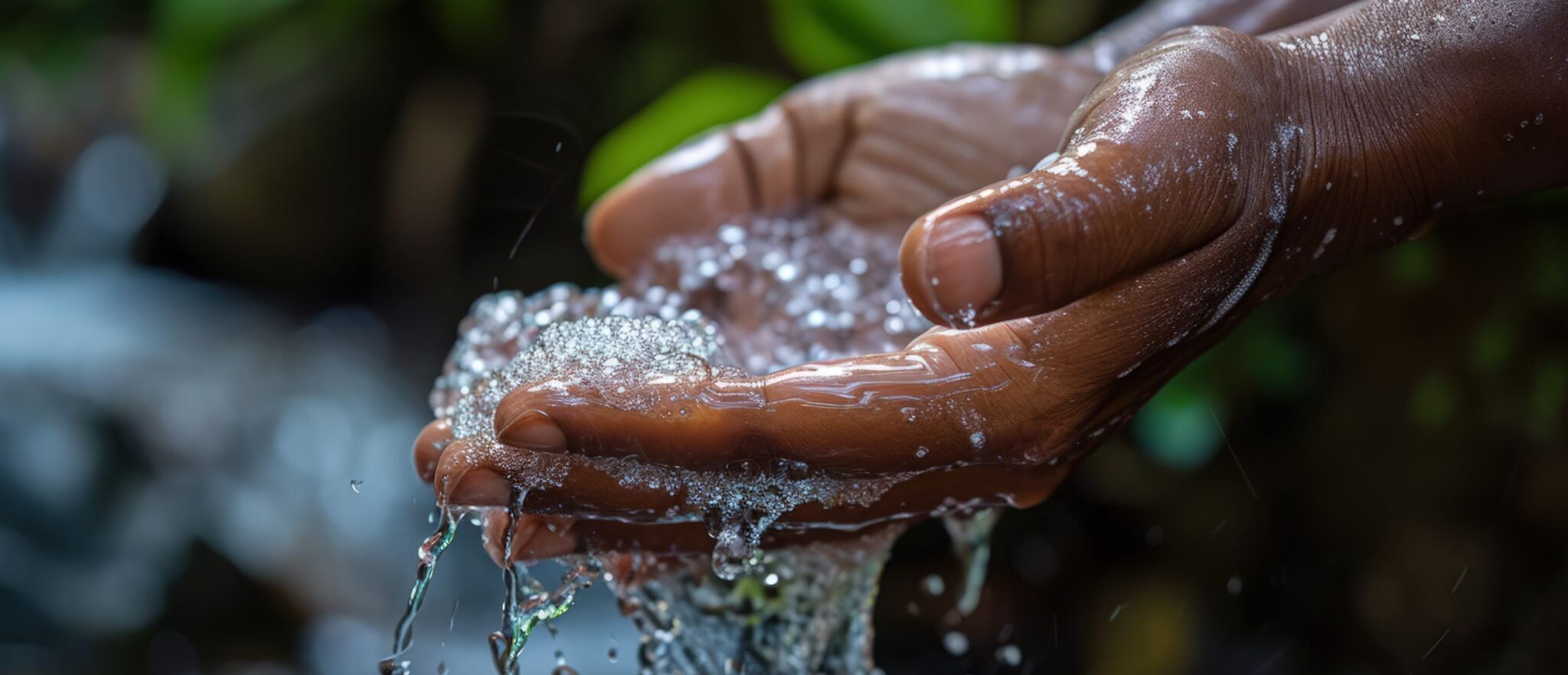
“Women are like water.
Because water is the source of life, and it adapts itself to its environment.
Like women, water also gives of itself wherever it goes to nurture life…”
– WATERisLIFE.com
“Where water flows, equality grows,” was this year’s theme of the United Nation’s World Water Day on 22 March, exploring the critical relationship between water, women and gender equality. The UN also published the World Water Development Report 2026: Water for All People–Equal Rights and Opportunities, that highlights how unequal access to water and sanitation services impacts health, education, livelihoods and safety. It states that 2.1 billion people still lack safely managed drinking water, and women and girls spend an estimated 250 million hours every day collecting water.
The report further examines how climate change, water scarcity and disasters are intensifying these inequalities and calls for stronger action to ensure equal rights, participation and opportunities in water management.
By promoting inclusive water governance, gender-responsive policies and improved data, the report outlines practical steps to close gender gaps and advance progress towards sustainable water management and the Sustainable Development Goals. Click here to access the report.
80% of African jobs dependent on water
As the African Union (AU) commemorated World Water Day, it stated that the focus on gender aligned with its 2026 year theme, “Assuring sustainable water availability and safe sanitation systems to achieve Agenda 2063 goals.” The AU promotes gender-responsive water governance, emphasising that sustainable water access is a right, essential for economic growth and critical for reducing inequality, with 80% of jobs in Africa dependent on water.
The African Commission on Human and Peoples’ Rights concurred in a statement on what it called “Africa’s urgent water crisis. Over 400 million people lack safe drinking water, with rural communities most affected. Women and girls shoulder the burden of water collection, limiting education and economic opportunities.”
According to the commission, access to safe drinking water and adequate sanitation remains a systemic challenge across Africa. It added: “This is not merely a development goal; it is a human rights necessity and a prerequisite for achieving Agenda 2063: The Africa We Want. To fulfil this vision, member states must bridge the gap between treaty ratification and the effective provision of water and sanitation services to all.”
The Commission called on all states in Africa “to strengthen legal and policy frameworks, invest in resilient and inclusive water and sanitation systems and take concrete steps to ensure that everyone enjoys safe and equitable access to water.”
Water a top public concern in Africa
A survey by Afrobarometer across 38 African countries has revealed that access to water ranks as one of the top policy priorities for African citizens, with a majority saying they suffered a shortage of clean water during the past year.
Challenges in access to water are particularly pronounced among rural populations and economically disadvantaged groups, who face persistent inequalities in the availability of clean water and sanitation services. There are more positive assessments among urban and economically secure respondents, highlighting the intersection of geography, poverty and service-delivery outcomes.
From crisis to asset class
At Africa’s Green Economy Summit (AGES) in Cape Town last month, experts urged investors to see water as an opportunity rather than a liability. Obadiah Mungai, Environmental Finance Lead for Cities at the World Resources Institute Africa, argued that water’s challenge lies in structural weaknesses, not hydrology, citing South Africa’s 40% non-revenue water losses.
Zaid Railoun, Specialist for Energy and Infrastructure at Standard Bank South Africa, emphasised distinguishing between climate, infrastructure, and governance risks, noting that capable sponsors and clear supply-demand models are essential for bankability. Louise Stafford, South Africa Country Director at The Nature Conservancy, warned that inaction poses greater risks, highlighting Cape Town’s successful investment in catchment restoration as a cost-effective alternative to desalination. The panel agreed that poor project preparation—the “valley of death”—often stalls financing, with weak data, unclear offtake arrangements, and poor structuring magnifying risk. Partnerships also falter without transparent governance and aligned objectives.
Despite these hurdles, the speakers stressed that blended finance, credible data, and nature-based solutions could transform Africa’s water crisis into a resilient, investable asset class. Ultimately, they concluded that the cost of inaction will far outweigh the perceived risks of investing in water.
Day zero
In South Africa, where the Western Cape has been faced with dwindling water resources, the Province’s Department of Water and Sanitation says there is only six months of water remaining in its dams until they are depleted. The province’s six largest dams are currently at 48.8% capacity. According to the department, below-average rainfall in the region has limited water inflow into dams and rivers. High water consumption, leaks and ageing infrastructure are also contributing to declining dam levels. However, despite the decline, there is currently no imminent “day zero” threat.
In an exclusive GEE interview, Dr Henry Roman, IWMI’s Regional Representative for Southern Africa, says the private sector has an important role to play, “as was actually demonstrated in Cape Town in 2018, in mitigating the risk of day zero where private sector actually came in quite strongly and helped to mitigate day zero from actually taking place.” He adds that “public-private partnerships really are critical if we want to solve the problem of water security.” He advocates balance between human, industrial and ecological needs, and calls for equitable access, particularly addressing the burdens faced by women and girls. [Read full interview here.]
Responsible water user
Meanwhile, the Cape Winelands Airport, an exciting $400-million infrastructure project in the Western Cape as a second airport serving the metro of Cape Town, was granted its water use licence recently. The project is also part of the investor pitch programme for large infrastructure developments at AGES.
Mark Wilkinson, Director at the Cape Winelands Airport, says the airport has a clear water management strategy, which includes reusing treated wastewater on site for irrigation of landscaping, minimising use of water at source through design and identifying opportunities for operational water use minimisation.
He adds: “The motivation for the approach stems from a need to develop own water sources, being cognisant of possible climate change impacts and being a responsible water user within a water stressed region.” [Read more about this project]
– This article first appeared in the Green Economy Express newsletter, published by Africa’s Green Economy Summit
Africa's Green Economy Summit connects industry professionals and organisations to information and each other in a carefully curated live environment. Its purpose is to support in mobilising investments for green projects to scale up and industrialisation, which will have a significant impact on environmental sustainability and economic growth.


.webp)

.webp)
.webp)
.webp)
