
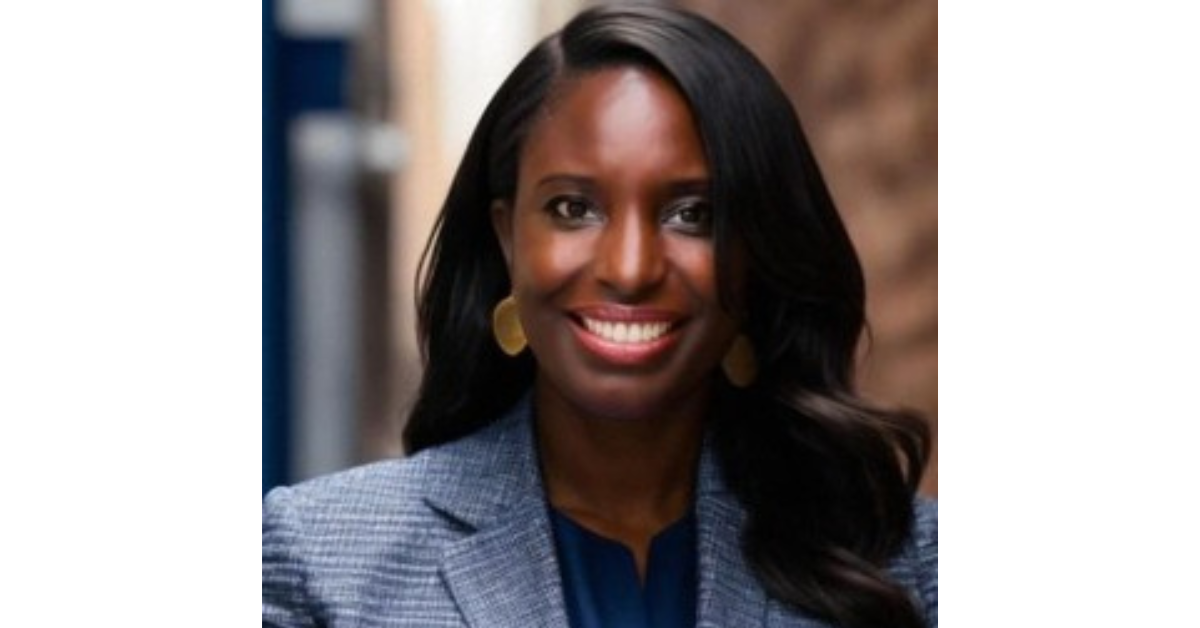
Tracy Boswell, President of Pangea Global Ventures, emphasises justice as the inspiration behind relocating to Accra and building investment pathways for West African SMEs beyond grant funding. Pangea began in agriculture and now supports diverse climate-impact sectors including mobility, waste, water and sanitation, focusing on the “missing middle” often excluded from capital flows.
Pangea’s success stories include Nianda’s women-led cashew processing, Mariseth Farms’ vast farmer network and Eden Tree’s solar-powered vegetable distribution. At AGES 2026, Pangea showcased Eden Tree, securing a major funding deal through the platform. Boswell highlights persistent challenges in accessing local capital and urges investment “for women and by women,” stressing women’s stronger repayment rates and untapped potential in value chains.
Hello, everyone. I’m Tracy Boswell, president of Pangaea Global Ventures. I relocated to Accra in 2023 with my family to work with our company, Pangaea Global Ventures-our inspiration was justice. We wanted to accelerate economic growth in small and medium businesses. We aim to move companies away from grant-based funding because for a lot of these companies, they’re promising, they have potential. Our goal is to help them receive investments. So the inspiration behind Pangea is justice.
In 2019, Pangea started, and back then we primarily worked in the agriculture sector. The agricultural sector dominates West African markets. Since then, we’ve moved into a diversity of climate impact activities. Currently, We’re working in mobility, in waste and the circular economy, as well as in water and sanitation.
All of our work is in Africa; 100% of our work is actually in West Africa. And our focus is on this missing middle. This missing middle, which is the engine of any economy around the world. But going back to justice, we saw a severe injustice in the lack of these missing middle businesses finding investments. Now, Nigeria is an exception in West Africa, because Nigeria is a very large economy with lots of investment funding coming in. But for the most part, much of West Africa has a dearth of impact investing compared to other parts of the continent.
We have three success stories. One is Nianda located in Sierra Leone. It’s a cashew processing company. They buy from smallholder farmers that farm cashew. It’s a woman-led, woman-run company by the CEO, Noellen Barber. The women are all living on farms within the community of the factory. Nianda uses all parts of the cashew. The CEO is inspiring because not only is she working in the field to help the community around her, but she’s also providing support, education and training for these smallholder farmers and employment.


Another success story is Mariseth Farms, which is here in Ghana. They have grown to work with now 10,000 smallholder farmers and they work in the soybean, shea nut and palm oil value chains. We’re on the board and they’ve just grown tremendously, and we’re very happy with their success.
And last but not least, the success story of Eden Tree. Eden tree is the leading fruit and vegetable distributor here in Ghana. They have secured funding with our help to expand the solar energy infrastructure. They now have solar cooling, they have solar irrigation, and this helps with their productivity and decreasing food loss.


The major challenge, I’m going to bring justice back into this, but the major challenge is access to capital. Local capital is extremely difficult to come by. The banking sector lacks some of the tools to work with some of the SMEs that need additional support. Some measures for securing loans are prohibitive, one example is collateral that a lot of these smallholder farmers or the businesses we work with, just can’t afford. This funding gap makes it challenging for the growth and future success of these companies.
West Africa is different from North, South and East Africa. Again, I go back to the funding. Aside from Nigeria, Nigeria is a special case because it is a tech hub and they receive a large amount of funding. Although I’m reading that as of late, the funding is cooling off a bit, but it’s really all about justice and bringing some much-needed attention to West Africa. In frontier markets like Sierra Leone and Guinea that have great companies and the potential to compete globally, but they just don’t have the opportunity to do so.
I think that for climate finance, sometimes that’s conflated with carbon markets. And unfortunately, a lot of the companies that we work with, the small and medium companies that we work with, don’t always participate in carbon markets. Many large multinationals are working in carbon markets because of resources that SMEs simply do not have. So we ask the question: what are some of the other things that SMEs can do in terms of climate impact and climate mitigation? Well, they use materials such as seed, climate smart seed. They also use solar infrastructure tools such as solar irrigation or solar cooling to reduce crop loss. Lastly, they work with crop diversification, helping in the climate space.
The WomenIn panel was a really great panel. And it highlighted some of the challenges that women business owners face in Africa. I would encourage investors to increase their outreach for women and in companies by women. So when I say for women, I’m talking about products that are for women and that women work in.
When I say by women, obviously women-led businesses, women-owned businesses, primarily women-led businesses. There are value chains, such as the shea value chain, which are dominated by women. So that’s a tremendous opportunity there for investors to come into to help support women in West Africa.
Interestingly enough, women in West Africa in particular, are less likely to receive funding and some of this has to do with cultural practices, unfortunately. But all the research has shown that women are more likely to pay back investments and pay back loans. They just are. So if you need an impetus to invest in women, please remember women carry a lower risk of non-performance. And so, with that in mind, please remember for women and by women.
AGES is important because of the entrepreneurial ecosystem that it creates. Some of the multinational companies receive a lot of attention through their products, through investments, which then garner more attention. However the smaller companies, the engine, so to speak, of an economy, they need a platform, AGES provides that platform.
One of the reasons that we’re grateful for is that we were able to showcase Eden Tree. Eden Tree is the leading fruit and vegetable distributor in Ghana as I mentioned earlier. It’s a female-owned, 30-year-old female-owned company. Our fund, PangeaOne, raised funds in order to invest and we showcased Eden Tree at AGES earlier this year. Because of that exposure, we were able to close that deal this year. So we will forever be grateful for AGES and we will continue to participate in the important work that AGES is doing.

The only thing I will add is this interesting but jarring statistic, specifically that 70% of farmers in Africa are still using handheld tools. Handheld tools are obviously not productive, not efficient. nor cost effective. In order for these farmers to be able to compete, to be able to thrive, they need investment. Pangea wants to work with these farmers and other companies in our pipeline with AGES in order to find financing and find investments to create impact.
With that, I thank you so much for having me and I hope to see you all at AGES.

Africa's Green Economy Summit connects industry professionals and organisations to information and each other in a carefully curated live environment. Its purpose is to support in mobilising investments for green projects to scale up and industrialisation, which will have a significant impact on environmental sustainability and economic growth.


.webp)

.webp)
.webp)
.webp)
