
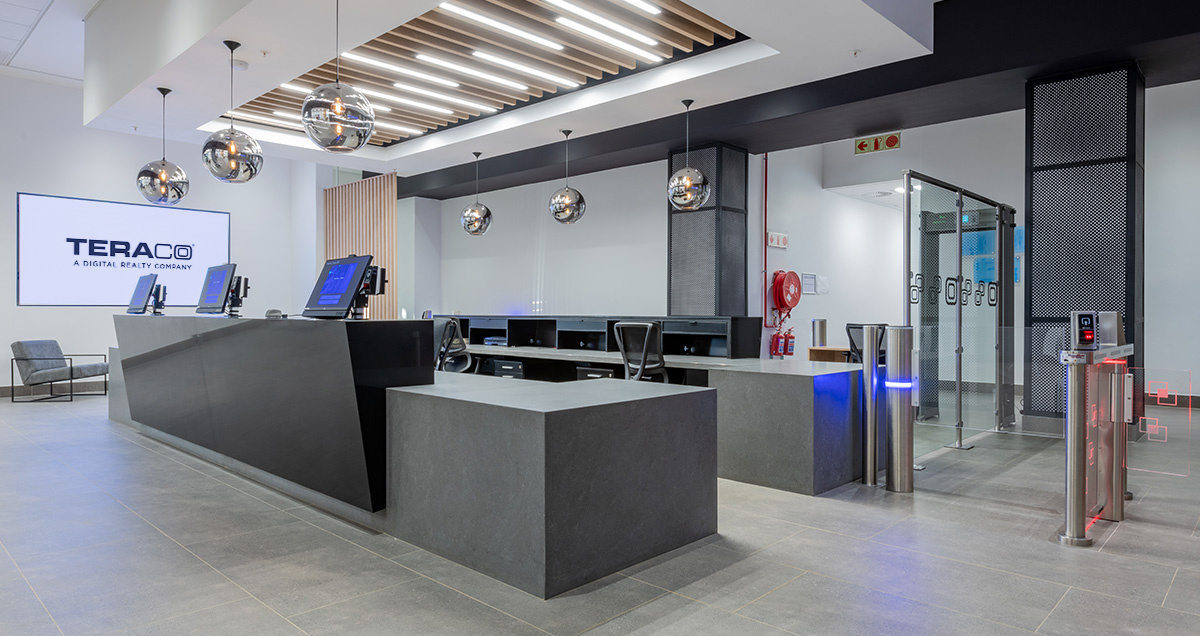
This evolution is driven by the need to deliver seamless omnichannel experiences, leverage advanced data analytics, and embed financial services into retail ecosystems. Underpinning this transformation is the adoption of robust, scalable, and interconnected IT infrastructure – most effectively delivered through colocation data centres with rich digital ecosystems. We explore how these trends are reshaping retail and why colocation is the foundation for future-ready retail operations.
Modern consumers expect to interact with retailers across multiple touchpoints – physical stores, e-commerce platforms, mobile apps, and social media – without friction. Omnichannel retail is now a baseline expectation, requiring:
To deliver this, retailers need an integrated, high-performing, and scalable backend infrastructure. Edge computing and interconnection-rich data centre ecosystems enable fast, localised processing and low-latency connections to cloud services and partners, which are vital for omnichannel responsiveness. For example, a client might check product availability online, purchase via a mobile app, and collect in-store – all supported by seamless data flow and real-time updates.
Retailers are harnessing data analytics and artificial intelligence (AI) to drive next-level client engagement. Applications include:
These AI-driven workloads require high-performance computing, secure data storage, and real-time analytics. A hybrid environment – combining the scalability of public cloud with the control of colocation – enables retailers to efficiently process and analyse vast amounts of data. For instance, AI can predict shopping trends, optimise inventory, and personalise offers, all in real time.
Hybrid AI breaks barriers by integrating cloud networks, private data repositories, and external AI ecosystems. Ecosystem rich colocation data centres like Teraco are specifically equipped with power and cooling systems designed to manage the intense demands of AI workloads, ensuring continuous and efficient operation.
The integration of IoT, automation, and robotics is revolutionising retail supply chains. Key advancements include:
A smart supply chain requires seamless integration with logistics providers, ERP platforms, and fulfilment systems. Carrier-neutral, interconnected digital ecosystems – such as those found in colocation data centres – are essential for enabling these connections and ensuring efficient, resilient operations.
Retailers are increasingly offering financial services as part of their value proposition. This includes:
The convergence of commerce and fintech is accelerating, with embedded finance becoming a strategic pillar for client engagement and revenue growth. Retailers must integrate fintech partners, secure sensitive data, and ensure uptime for financial transactions – all of which require enterprise-grade, compliance-ready infrastructure. For example, mobile-first banking services enable clients to shop, pay, and manage their finances in a single app, increasing engagement and loyalty.
Colocation data centres are more than just physical space for servers; they are the hubs of digital ecosystems. Retailers colocating in these facilities gain strategic proximity to:
This interconnectedness enables low-latency, secure, and reliable data exchange, supporting real-time retail operations and innovation.
Colocation facilities are designed to support high-density workloads, including those required for AI and advanced analytics. They offer:
Retailers can scale their infrastructure on demand without the capital expenditure and complexity of building private data centres.
Retailers face increasing regulatory complexity, security threats, and the need for always-on operations. Colocation data centres address these challenges by providing:
This ensures that sensitive client and financial data is protected, compliance is maintained, and business continuity is assured.
By leveraging colocation, retailers can reduce infrastructure costs by up to 30% while improving application performance. The flexibility to connect legacy systems with cloud-native platforms via hybrid infrastructure supports ongoing innovation without disruption.
Retailers expanding their digital services face challenges such as:
Colocation and cloud-adjacent infrastructure offer solutions with compliance-certified environments, robust security, ultra-low latency, and the ability to rapidly scale resources. Integrated digital ecosystems within colocation facilities enable real-time intelligence, seamless partner integration, and new business models such as B2B data exchange.
As retailers continue their digital transformation, the need for secure, agile, and interconnected IT infrastructure becomes paramount. Colocation data centres with rich, interconnected ecosystems provide the resilience, scalability, and connectivity required to power next generation omnichannel retail. By partnering with leading colocation providers, retailers can focus on innovation, client experience, and business growth – confident that their digital foundation is robust, compliant, and future-ready.
Contact Teraco to request a data centre tour.
+27 (0)11 573 2800 or 0860 837 226
 Contact Us
VUKA is the trusted media partner to key professionals, policy makers, suppliers and
manufacturers. We provide unparalleled opportunities for industry-wide connection.
