Central Africa is increasingly being positioned as a strategic hub in global battery mineral supply chains, as governments and investors push to move beyond raw mineral exports toward local processing and value addition.
The region, led by the Democratic Republic of the Congo (DRC) and Zambia, already plays a critical role in supplying copper and cobalt — two minerals essential to electric vehicles, renewable energy systems and energy storage technologies. However, much of the downstream value associated with these resources continues to be captured outside the continent.
The DRC accounts for around 70% of global cobalt production, making it the world’s dominant supplier.
The Central African Copperbelt produces over 2.5 million tonnes of copper annually, underpinning global electrification and clean energy infrastructure.
Africa hosts an estimated 30% of global critical mineral reserves, yet performs limited downstream processing relative to its resource base.
Global demand for battery minerals is expected to double by 2030, driven by electric vehicles and grid-scale energy storage.
Despite this scale, most copper and cobalt mined in Central Africa is exported as concentrate or intermediate products, with refining and chemical processing taking place elsewhere.
Processing minerals locally can significantly increase economic returns, while supporting skilled employment, industrial clustering and supply-chain resilience. Battery-grade copper and cobalt products command higher margins and enable participation in higher-value segments of global markets.
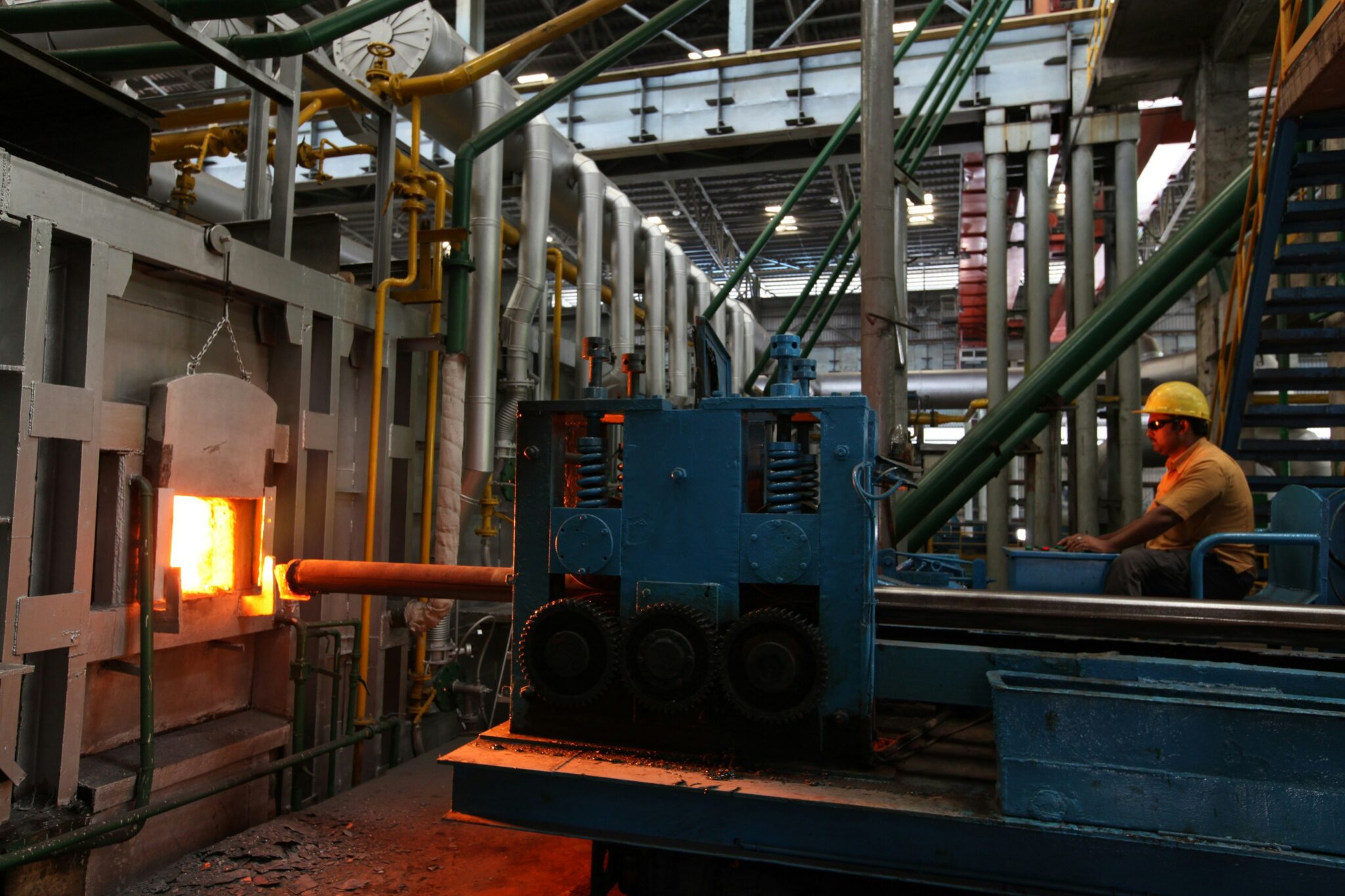
However, mineral processing is capital- and energy-intensive, requiring reliable power supply, advanced processing equipment and integrated logistics networks.
Energy availability remains the most significant constraint. Processing facilities require continuous, high-capacity electricity — a challenge in parts of Central Africa where grid reliability and transmission infrastructure lag behind mining activity.
As a result, new infrastructure corridors and energy investments are increasingly being viewed as industrial enablers, not just export routes. Without parallel investment in power generation and transmission, processing ambitions risk being delayed or scaled back.
Governments across the region are signalling stronger support for beneficiation through policy reforms, export controls and incentives aimed at encouraging domestic processing. These efforts align with broader continental goals under AfCFTA to build regional value chains rather than export raw materials.
The shift marks a gradual but meaningful change in how Central Africa positions itself within global minerals markets.
The case for strategic mineral processing in Central Africa is supported by strong fundamentals: resource scale, rising global demand and growing policy momentum. The key challenge now lies in execution — particularly around energy, infrastructure and project financing.
If these constraints are addressed, Central Africa could move from being a supplier of raw minerals to a competitive processing hub within global battery and clean energy value chains.
Source: https://discoveryalert.com.au/strategic-mineral-processing-central-africa-2026/

 Contact Us
VUKA is the trusted media partner to key professionals, policy makers, suppliers and
manufacturers. We provide unparalleled opportunities for industry-wide connection.