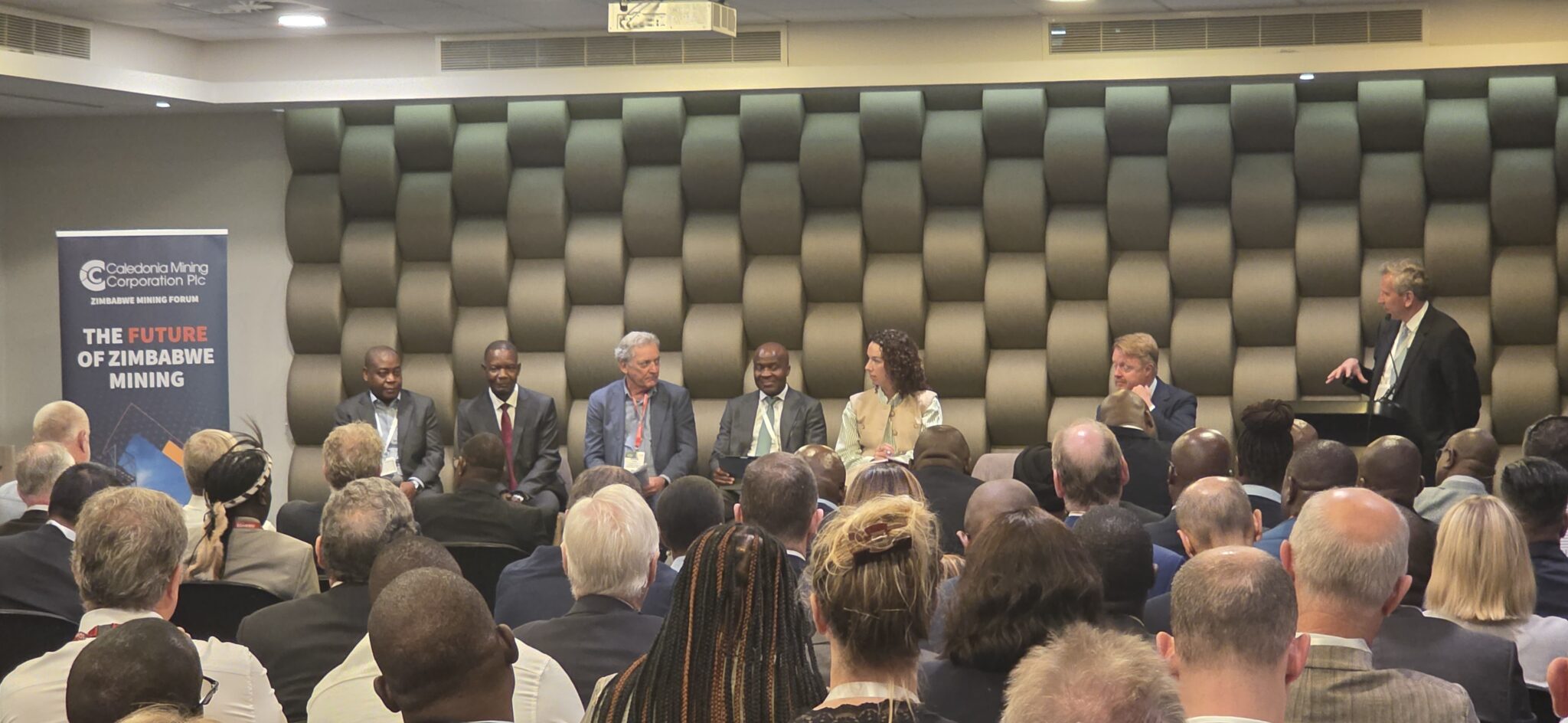
Zimbabwe’s mining sector is increasingly emerging as a focal point for regional and international investors, as industry leaders and policymakers continue to advance reforms aimed at strengthening confidence and reducing operational risk.
At a recent industry engagement in Cape Town, hosted by Caledonia Mining Corporation PLC at the Radisson Collection Hotel in Granger Bay, stakeholders examined how Zimbabwe is systematically improving its investment environment across a diverse mineral portfolio.
The country is endowed with significant reserves of gold, platinum group metals (PGMs), lithium, cobalt, chrome, diamonds, nickel, copper and coal. Discussions highlighted how structural reforms, operational improvements and regulatory modernisation are contributing to a more predictable and transparent mining framework.
Reliable power supply, adequate water infrastructure and stable supply ecosystems remain central to both new project development and the expansion of existing operations. As projects scale, infrastructure reliability is increasingly recognised as a key determinant of long-term viability and bankability.
Participants emphasised continued efforts to enhance mine-site security, safeguard surrounding communities and maintain best-practice safety standards. Operational stability and effective risk mitigation remain fundamental to sustaining investor confidence.
Zimbabwe’s artisanal and small-scale mining (ASM) sector plays an important role in national mineral production. Ongoing formalisation initiatives, structured market access and capacity-building programmes are being positioned as critical drivers of inclusivity, compliance and sustainability.
Progress in government engagement and licensing processes was highlighted as a positive signal to investors. Improved coordination between regulators and operators is helping to address operational challenges and enhance regulatory responsiveness.
The planned rollout of a digital mining cadastre system represents a major governance milestone. An effective e-cadastre is expected to strengthen transparency, reduce disputes over mining titles and accelerate approvals.
Clear return frameworks, stable exchange control mechanisms and strengthened fiscal discipline were identified as essential to attracting long-term institutional capital. Financing models that balance risk and align stakeholder interests are increasingly important in unlocking project funding.
Certification standards, compliance mechanisms and improved import and export systems are being prioritised to enhance Zimbabwe’s competitiveness within global mineral supply chains, particularly in battery metals and strategic commodities.
Industry leaders underscored the importance of regional alignment and knowledge sharing across Southern Africa. Integrated value chains and cross-border cooperation are viewed as key enablers of long-term industrial competitiveness.
Beyond mineral extraction, beneficiation and downstream industrialisation remain strategic priorities. Expanding processing capacity, developing local skills and increasing employment opportunities are central to building long-term sector resilience.
With mining already serving as Zimbabwe’s second-largest contributor to GDP, the sector continues to evolve through reform, modernisation and stronger public–private collaboration.
Ongoing industry engagement reflects a clear intention: to position Zimbabwe as a stable, transparent and competitive destination within Africa’s critical minerals and industrial development landscape.

 Contact Us
VUKA is the trusted media partner to key professionals, policy makers, suppliers and
manufacturers. We provide unparalleled opportunities for industry-wide connection.